

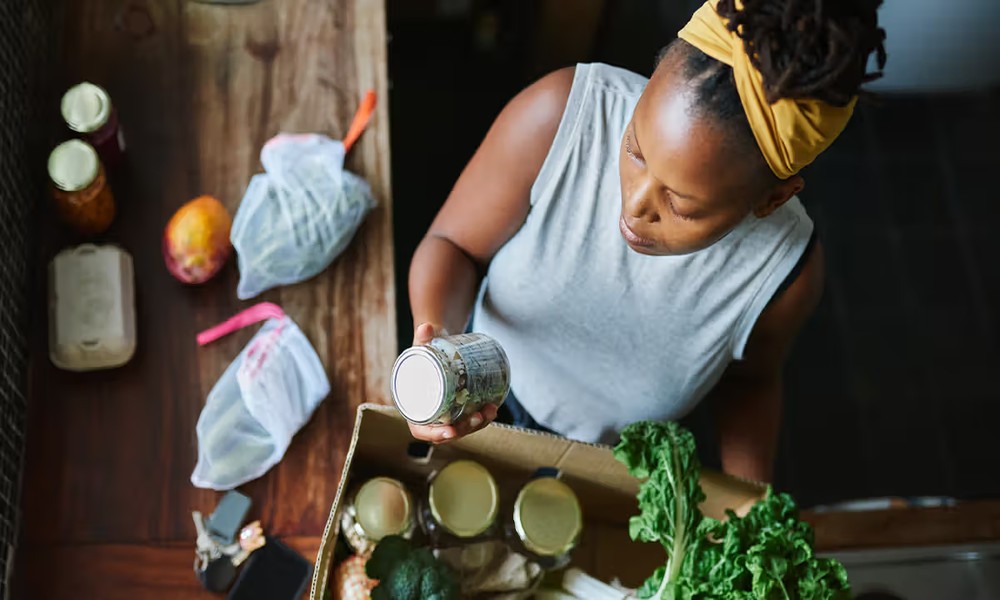
Milk used to be something people picked up without thinking much. It was part of the routine, nothing more. But over time, that changed. People started reading labels, asking questions, and noticing small differences.
Some want fewer additives. Some care about how the milk is processed. And some just want something that feels closer to natural. When someone searches to buy pasteurized organic whole milk, it usually comes from that quiet shift in thinking. It is not sudden. It builds slowly with everyday use.
What people look for before adding dairy to cart
Before adding milk to their cart, people now take a few extra seconds. Not always a deep check, but enough to feel confident.
- Source of the milk
- Processing method
- Expiry and storage details
- Packaging clarity
These small checks help people feel more sure about what they are buying. It is not about perfection. Just about avoiding doubt. Sometimes they compare two options and still go with the one that feels familiar.
Why simple packaging can influence buying decisions
Packaging does more than just hold the product. It quietly affects how people feel about it. Clear labels, neat design, and easy to handle packs make a difference. If something looks confusing or messy, people hesitate.
Even small things like how easy it is to store or pour can matter. These details are not always discussed, but they influence repeat buying. And sometimes, people choose based on comfort rather than logic.
The role of trust when ordering food online
Trust builds slowly. Especially with food. The first time someone decides to buy pasteurized organic whole milk, there is always a bit of uncertainty. They wait to see if the quality matches expectations. If it does, that trust grows. Not instantly, but enough to bring them back again.
And if something feels off, even once, people may switch. So consistency matters more than anything flashy.
How daily habits change with better quality products
When people feel good about what they are using daily, small habits begin to shift. They stop second guessing their choices. They reorder without checking too much. The process becomes smoother.
It does not mean they stop exploring. Sometimes they still try new options. But they always return to what worked well. And over time, better choices stop feeling like effort. They just become part of everyday life, quietly sitting there without needing attention.
